

Last Updated: November 24, 2026
Quick Summary
Professional scalp therapy for dandruff is a cosmetic salon service that cleanses and cares for the scalp, but it cannot diagnose or treat a medical condition. Ask what the service includes, which products will be used, and whether steps can be adjusted for sensitivity; consult a dermatologist for persistent or severe symptoms.
- Before booking, ask about consultation, cleansing, exfoliation, massage, product application, and rinsing.
- Bring product names or ingredient-label photos and disclose allergies or past reactions.
- Avoid trying a new scrub or peel immediately before your appointment.
- Stop using a product that causes burning, pain, or worsening irritation.
- Seek a dermatologist for persistent itching or flaking, sores, marked redness, or unexplained hair loss.
Table of Contents
- Step 1: Assess Whether Scalp Treatment for Dandruff Fits Your Needs
- Step 2: Prepare for a Professional Scalp Treatment Near Me
- Step 3: Know What Happens During Professional Scalp Therapy for Dandruff
- Step 4: Choose Professional Scalp Treatment Products for Your Scalp
- Step 5: Follow Dandruff Treatment at Home Between Appointments
- Step 6: Avoid Common Mistakes and Know When to See a Dermatologist
- Step 7: Ask Pileggi on the Square About Scalp Therapy
- Frequently Asked Questions
Step 1: Assess Whether Scalp Treatment for Dandruff Fits Your Needs
Dandruff can cause visible flakes, itching, and scalp irritation, but not every flaky scalp has the same cause (the American Academy of Dermatology). This guide explains how to assess a salon service, prepare for an appointment, and care for your scalp at home. Scalp therapy is a cosmetic service that cleanses and cares for the scalp; it does not diagnose or treat a medical condition.
For a general overview of dandruff and when to seek care, read the [American Academy of Dermatology’s dandruff guidance | aad.org]. Persistent or severe symptoms deserve a medical opinion, not a stronger salon scrub.
A scalp treatment for dandruff may suit someone seeking help with surface flakes, oil, or product buildup. It is not a substitute for medical care when symptoms are painful, severe, or ongoing.
- Dry scalp: Tightness, dryness, or loose flakes may call for gentler cleansing and moisture balance.
- Oily scalp: Greasy roots and flakes may call for scalp cleansing and oil control.
- Buildup: Styling products can leave residue that a cleansing service may address.
A common mistake is to assume every flake means dandruff (the American Academy of Dermatology). If you also notice hair loss, marked redness, sores, or strong discomfort, ask a dermatologist to assess the cause before trying exfoliation.
Step 2: Prepare for a Professional Scalp Treatment Near Me
Before booking a professional scalp treatment in Philadelphia, compare the service steps and the provider’s approach, not just the “head spa” label. A cosmetic scalp service may cleanse away oil and styling residue, offer gentle exfoliation, and include massage. It should not promise to diagnose or cure dandruff.
Questions to ask before booking
Contact the salon and ask:
- What steps are included: consultation, cleansing, exfoliation, massage, treatment application, and rinse?
- What products or active ingredients will be used, and can the provider check the ingredient list with you?
- Can the exfoliation or massage be skipped or adjusted if your scalp is sensitive?
- What should you do if the service causes stinging, burning, or pain?
- Is the service appropriate if you currently have redness, sores, or a flare of an existing scalp condition?
Compare answers for clarity. A provider should be able to describe the service and its limits, explain how they respond to discomfort, and avoid diagnosing a medical condition. If the service description is vague or the provider dismisses questions about sensitivity, consider another option.
Before your appointment
Write down when the flaking or itching began, what seems to make it better or worse, and which shampoos, styling products, or scalp treatments you currently use. Bring product names or photos of ingredient labels, and disclose known allergies or past reactions. This gives the provider useful context without asking them to identify the cause of your symptoms.
Keep your routine familiar before the visit. Avoid trying a new scrub, peel, or strong scalp product immediately beforehand, and follow any preparation instructions the salon gives you. If you have open or inflamed skin, significant pain, or a current scalp flare, postpone exfoliation and contact a dermatologist for guidance. Establishing a baseline for your scalp health ensures that the professional assessment at Camellia Scalp and Skin Lounge remains focused on addressing your specific needs during your upcoming session.
After the service
Ask which products were applied and whether you should change your routine. Follow the product label and the provider’s aftercare instructions; do not add another exfoliant simply because the scalp still has flakes. Notice whether itching, redness, or discomfort improves or worsens, and stop using a product that causes a reaction.
Watch out: Burning, pain, or worsening irritation is not a sign that exfoliation is working; ask the provider to stop and rinse the product as directed.
This checklist is especially useful when comparing Philadelphia services because it focuses on what a visit actually includes and how the provider handles safety, not on promotional language. If symptoms are persistent, severe, or accompanied by sores or unexplained hair loss, seek a dermatologist’s evaluation rather than booking repeated cosmetic treatments.
Use these questions to understand what the service includes and how the provider handles safety.
| Stage | What to do | Key detail |
|---|---|---|
| Before booking | Ask about consultation, cleansing, exfoliation, massage, application, and rinse | Check whether steps can be adjusted |
| Before booking | Ask about products and ingredients | Share sensitivity concerns |
| Before your appointment | Note symptoms and current products | Bring product names or ingredient-label photos |
| Before your appointment | Disclose allergies or past reactions | Avoid trying a new scrub or peel immediately beforehand |
| After the service | Ask which products were applied | Follow label and aftercare instructions |
| After the service | Watch for itching, redness, or discomfort | Stop a product that causes a reaction |
Step 3: Know What Happens During Professional Scalp Therapy for Dandruff
Professional scalp therapy for dandruff is a salon service. Ask the provider what is planned before the service begins.
Scalp cleansing, exfoliation, and product buildup removal
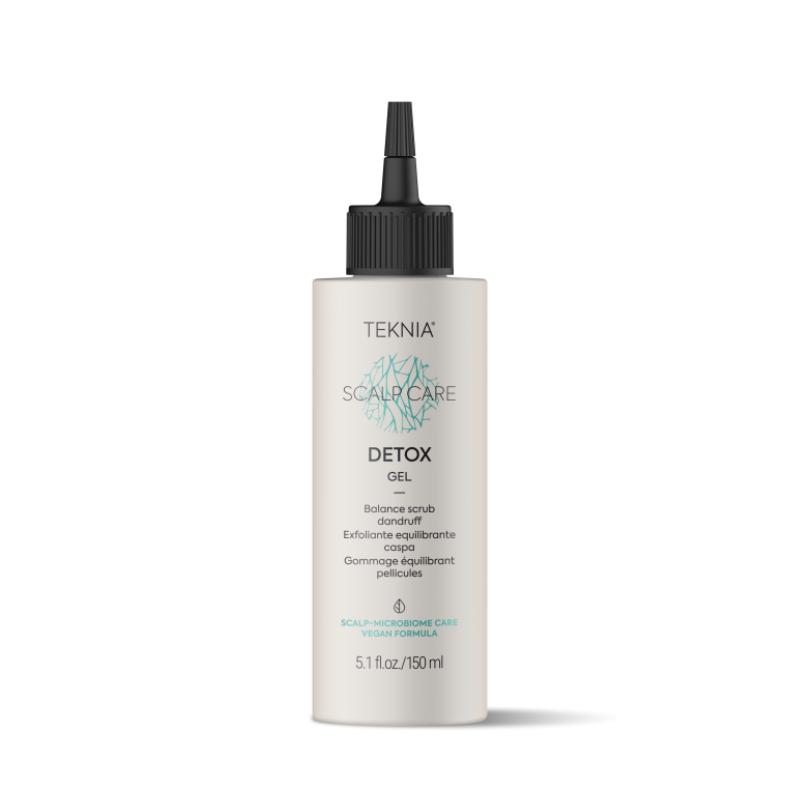
If exfoliation is part of a service, ask how the product is applied and whether it suits your scalp’s sensitivity. Learn more about the Lakme Teknia Scalp Care Balance Scrub Gel.
Scalp massage, treatment application, and rinse
Speak up if you feel burning or pain.
What most guides miss: A relaxing head spa and medical dandruff care are different things. A salon service can support cleansing and comfort, but it cannot confirm the cause of persistent flaking.
Step 4: Choose Professional Scalp Treatment Products for Your Scalp
Choose a scalp product by its intended use, ingredients, directions, and your scalp’s response, not by the word “professional” or the strength of its exfoliation. Neither a product label nor a salon service can determine why persistent flaking is happening.
Match the product to the concern
- Oil and styling buildup: A cleansing shampoo may remove excess oil and residue. Ask whether it is intended for regular use or occasional use, and follow its label rather than adding extra washes or scrubbing harder.
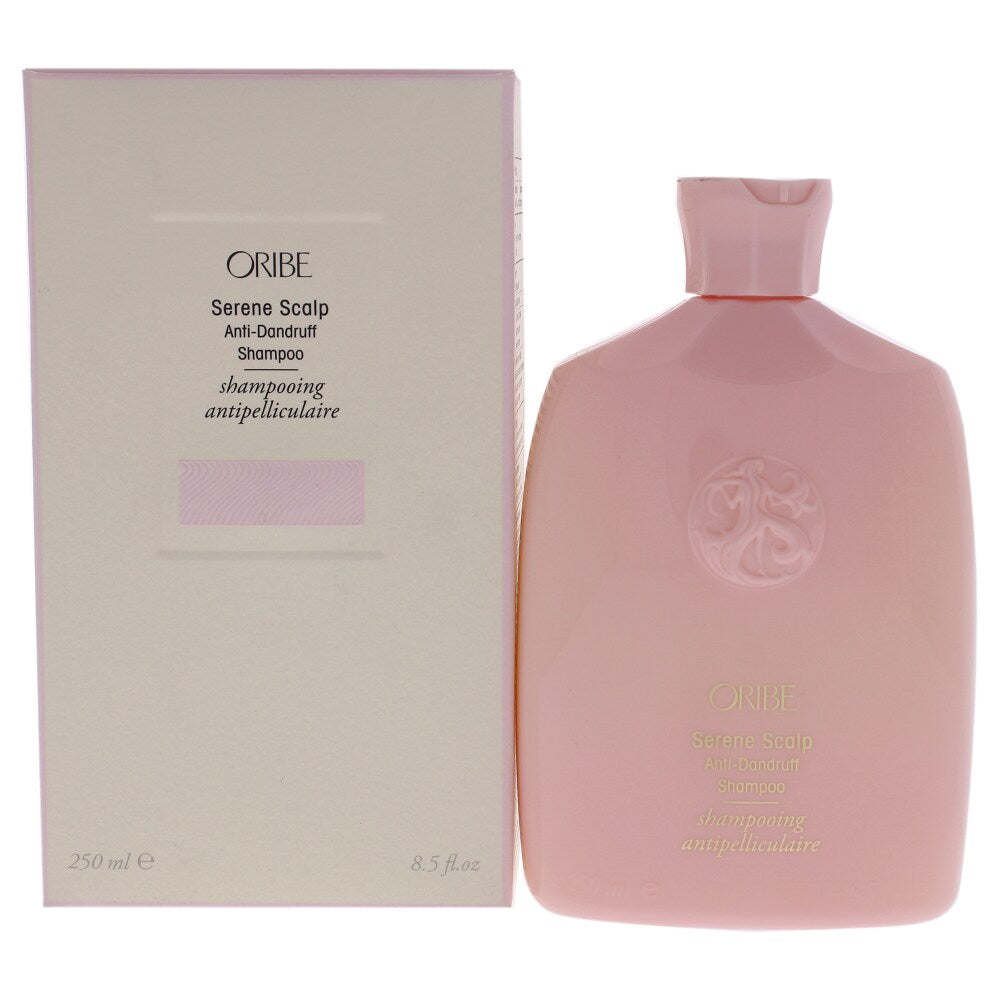
- Visible flakes and itch: Check the product’s stated purpose and active ingredients. The draft’s listed Oribe Serene Scalp Anti-Dandruff Shampoo is described as containing salicylic acid and being intended to relieve and prevent dandruff. Read the current label and directions before use; a product description is not a substitute for medical advice.
- Exfoliation: The listed Lakme Teknia Scalp Care Balance Scrub Gel is described as an exfoliating gel with directions to apply to a dry scalp, massage gently, leave on for 10 minutes, then wash with Detox Shampoo and rinse. Follow the product’s own directions and do not extend the contact time or use extra pressure.
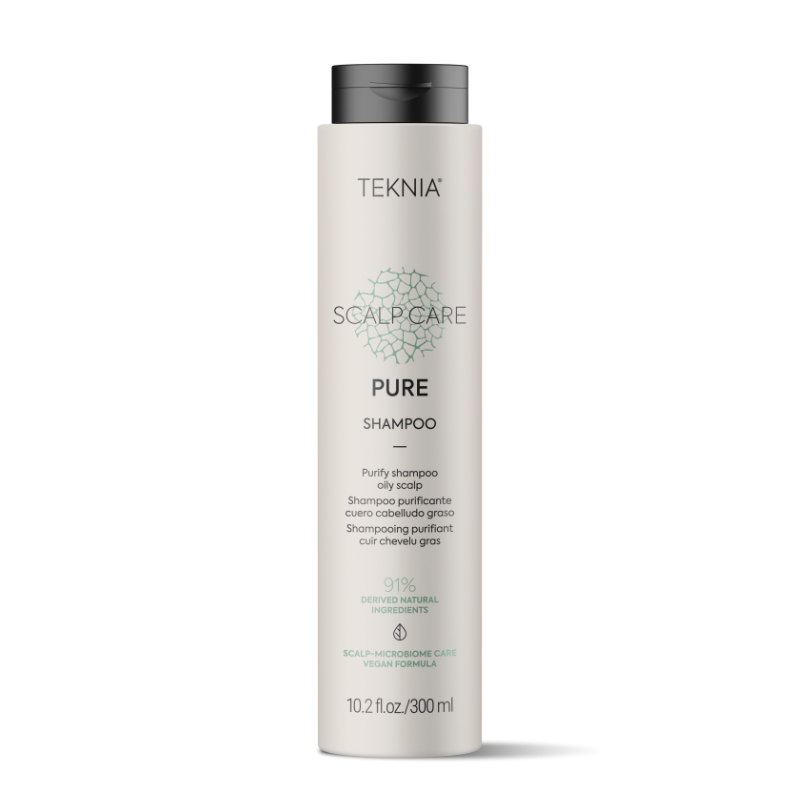
- Oily-scalp cleansing: The listed Lakme Scalp Care Purify Shampoo is described as a micellar shampoo for oily scalp and as a sebum regulator. Treat those as product claims, and check the label to confirm the intended use and instructions.
These products are examples, not a recommendation that every person with flakes should use them. If you have had reactions to fragrances or other ingredients, review product ingredient lists before use.
Use products cautiously
Use only the amount and contact time on the label, rinse as directed, and stop using a product if it causes burning, pain, or worsening irritation.
Watch out: Do not exfoliate open, sore, or markedly inflamed skin; ask a dermatologist for guidance before applying a scrub or peel to an irritated scalp.
If flakes or itching persist despite following product directions, or if you have marked redness, sores, pain, or unexplained hair loss, consult a dermatologist. A cosmetic cleanser may address residue and comfort, but ongoing symptoms may need medical evaluation and a different treatment approach.
Step 5: Follow Dandruff Treatment at Home Between Appointments
Follow product directions. Frequent washing needs vary, so ask a dermatologist for advice based on your scalp and hair.
The [National Institute of Arthritis and Musculoskeletal and Skin Diseases’ skin-care information | niams.nih.gov] offers general guidance on skin conditions and care. Use medical guidance for ongoing symptoms, rather than relying on a salon visit alone.
Between appointments:
- Track changes in flakes, itching, and oiliness.
- Use one new scalp product at a time.
- Follow the label’s directions for use and rinse.
- Avoid scratching or forceful scrubbing.
Treatment frequency depends on the service, product directions, and how your scalp responds. There is no single schedule that fits everyone. If dryness or irritation increases, pause the new product and seek professional medical advice.
For ongoing dryness and itchiness between visits, our scalp therapy guide covers at-home care. The aim is a routine you can follow, not a crowded shelf of products.
Step 6: Avoid Common Mistakes and Know When to See a Dermatologist
The biggest mistake is treating every scalp concern as a cosmetic problem. A dermatologist can assess persistent or severe symptoms and advise on medical treatment.
The [National Institute of Arthritis and Musculoskeletal and Skin Diseases’ information on psoriasis | niams.nih.gov] describes a condition that can affect the skin. Flaking can have more than one cause, so avoid self-diagnosing from appearance alone.
Watch out: Scrubbing an irritated scalp can make discomfort worse. Stop if a product causes burning or pain, and seek medical advice.
Ask a dermatologist about symptoms such as:
- Persistent or severe itching and flaking.
- Pain, sores, or marked redness.
- New or unexplained hair loss.
- Symptoms that continue despite following product directions.
In practice, the useful distinction is simple: seek a salon for a cosmetic scalp service, and seek a dermatologist for diagnosis or ongoing symptoms. A common mistake is to keep switching products without checking whether the problem needs medical care.
Step 7: Ask Pileggi on the Square About Scalp Therapy
Philadelphia clients looking for professional scalp care can ask Pileggi on the Square about its scalp therapy and wellness services. We are located in historic Washington Square. Ask whether your concern is suited to a cosmetic treatment.
For readers unsure whether a salon service fits, our guide to signs you may need professional scalp treatment can help you prepare questions. We recommend being clear about sensitivity, flaking, and any hair changes before choosing a service.
The challenge is knowing when scalp care is enough and when symptoms need a dermatologist. At Pileggi on the Square, we offer scalp therapy and wellness services, including peptide education. START HERE
Frequently Asked Questions
Does professional scalp therapy help with dandruff?
A salon scalp service does not diagnose or treat every cause of flaking. Persistent or severe dandruff, marked irritation, or symptoms that do not improve with appropriate at-home care call for evaluation by a dermatologist.
What should I expect during a professional scalp treatment?
Ask the provider what the service includes and what aftercare to follow. A salon service is cosmetic care, not a medical diagnosis.
What do salons use for dandruff treatment?
Products vary by service. Pileggi on the Square lists Oribe Serene Scalp Anti-Dandruff Shampoo, formulated with salicylic acid, and Lakme Scalp Care Balance Detox Shampoo for dry or oily dandruff. Its Lakme Teknia Scalp Care Balance Scrub Gel is an exfoliating gel for dry or oily dandruff. Follow each product's directions.
How often should you get a scalp treatment for dandruff?
There is no treatment frequency in the supplied product or service information that applies to everyone. Frequency depends on your scalp, the service and products used, and how your symptoms respond. Follow product directions at home. If flaking or itching persists, worsens, or comes with significant irritation, consult a dermatologist rather than relying on repeated salon services.

0 comments