
Last Updated: November 22, 2026
Quick Summary
A bad haircut usually shows up as uneven layers, choppy ends, harsh blending lines, or a shape that ignores your face. Most problems are visible in a mirror within a day or two, and a clear consultation before cutting is the best way to prevent them.
- Ask the stylist to explain the plan back to you before any cutting starts.
- Check the cut in natural daylight using a hand mirror to see the back.
- Part your hair in the center to look for one side sitting higher than the other.
- Speak up within the first weeks, while some correction may still be possible.
- Schedule a check-in trim every 8 to 12 weeks to keep the shape intentional.
Table of Contents
- Why the Consultation Decides Whether a Haircut Works
- Visual Signs of a Bad Haircut You Can Check at Home
- Service and Salon Red Flags: Rushed Cuts, Hygiene, and Poor Communication
- How a Bad Haircut Affects Your Confidence
- What to Say to a Hairdresser After a Bad Haircut
- How to Fix a Bad Haircut and How Long Growing It Out Takes
- Booking Your Next Cut with a Consultation at Pileggi on the Square
- Frequently Asked Questions
Why the Consultation Decides Whether a Haircut Works
A bad haircut experience usually starts before the first snip. A cut often goes wrong because the stylist and client never agreed on what the result should look like. A good consultation is the fix. It takes a few minutes, and it saves months of regret.

Many clients say the same thing after a bad cut: "I thought they understood what I wanted." Most stylists want to get it right, but they can only work from what they hear. If the conversation is rushed or vague, the cut will reflect the stylist's guess, not your goal.
A solid consultation covers a few basics:
- Your current hair history: color, chemical services, and how often you trim
- Your daily routine: how much time you spend styling and which tools you use
- Your goal: a visual reference, such as a photo, works better than words like "shorter" or "edgy"
- Honest limits: hair texture, density, and face shape all change what is possible
Ask the stylist to explain the plan back to you before any cutting starts. If you hear a clear answer, you are in good hands. If the stylist brushes past the question, that is an early warning sign.
Visual Signs of a Bad Haircut You Can Check at Home
You can spot many problems in a mirror within a day or two. Use a hand mirror to see the back, and check the cut in natural daylight. Good light shows flaws that a salon's warm lighting can hide.
Uneven Layers and Choppy Ends
Uneven layers are one of the most common signs of a rushed or unskilled cut. Look at the ends. Do they form a clean line, or do some pieces stick out shorter than others? Choppy ends often come from using the wrong cutting method for your hair type, or from over-texturizing to hide mistakes.
Quick checks you can do at home:
- Part your hair in the center and look for one side sitting higher than the other
- Run your fingers down the length to feel for jagged or notched sections
- Look for stray pieces that never blend into the rest of the style
Blending Problems and Poor Face-Shape Fit
Blending is where layers melt into each other. When blending fails, you see harsh lines or a bulky shape around the head. A cut that ignores your face shape can also make your features look off balance. For example, long, heavy layers can pull attention downward on a round face, while a too-short cut can make a narrow face look even longer.
If the shape feels wrong even though the ends look neat, the problem is usually in the blending or the overall silhouette, not the length.
Most problems show up in a mirror within a day or two, and these are the checks the article recommends.
| Sign | What to check | Why it matters |
|---|---|---|
| Uneven layers | One side sits higher than the other | Often a rushed or unskilled cut |
| Choppy ends | Jagged or notched sections along the length | Wrong cutting method for hair type |
| Stray pieces | Pieces that never blend into the style | Points to poor blending |
| Face-shape mismatch | Shape pulls attention in the wrong direction | Silhouette ignores your features |
| Harsh lines | Visible edges where layers should melt together | Blending has failed |
Service and Salon Red Flags: Rushed Cuts, Hygiene, and Poor Communication
The salon itself can tell you a lot about the service you will get. Watch for these red flags:
- A rushed appointment: the stylist starts cutting within minutes and skips the consultation
- Poor hygiene: dirty tools, unwashed capes, or cluttered stations
- Disorganized space: products and tools scattered everywhere can signal a team that is stretched thin
- Communication breakdowns: the stylist interrupts you, ignores your reference photo, or says "trust me" in place of answering
A rushed haircut is often a cut with hidden errors. Hygiene problems matter too, since sanitation is a basic professional standard.
How a Bad Haircut Affects Your Confidence
A bad cut can hurt more than your appearance. Many people feel self-conscious after a cut that does not match their image.
What most guides skip is the mechanism behind that feeling. Hair is one of the few features you see every time you look in a mirror, and it frames your face in every photo and every conversation.
A few patterns are common among clients who come in for corrective appointments:
- Social withdrawal: canceling plans, calling in sick, or wearing a hat indoors
- Mirror checking: repeated checking of the same section throughout the day
- Anxiety before the next appointment: dreading the chair even when you need a trim
- Self-blame: assuming you explained the cut badly when the stylist simply did not listen
Naming the feeling makes it easier to take the next step, which is talking to your stylist or a new one.
Watch out: don't rush into a second cut the same day to "fix" the first one. Stylists commonly see clients who over-correct in a panic and end up shorter than they wanted, which makes the grow-out longer and the frustration worse.
What to Say to a Hairdresser After a Bad Haircut
Speak up early, while the hair is still in its first weeks of growth and some correction may be possible. Keep your message clear and calm:
"I wanted a soft, face-framing layer, but the cut looks choppy on the left side. Can we look at it together and talk about what needs to change?"
Bring your reference photo, describe the specific problem, and ask what the stylist can do. A professional should listen and offer options. If the response is defensive or dismissive, you have learned something useful about that salon.
How to Fix a Bad Haircut and How Long Growing It Out Takes
Some bad cuts can be corrected in the chair. A stylist may be able to blend uneven layers or trim the ends to a cleaner line. Other cuts need time. Hair grows at a fairly steady rate for most people, so a cut that is several inches too short can take many months to recover. The fix depends heavily on your hair type, which is where most generic guides stop short.
Corrective steps by hair type
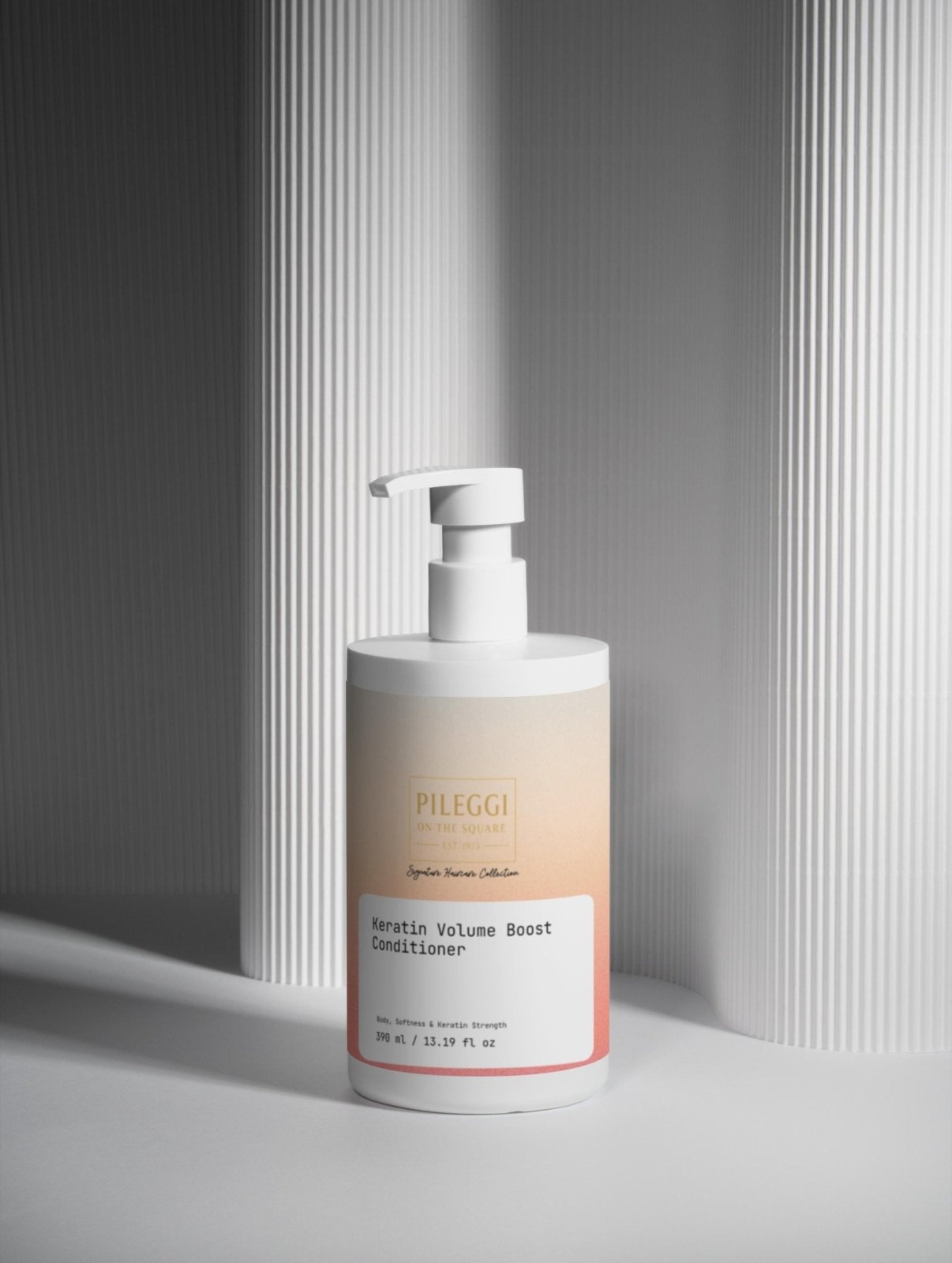
- Straight, fine hair: uneven ends and choppy layers show up immediately because there is no texture to hide them. A stylist can usually point-cut or slide-cut the ends to soften a hard line, but avoid heavy texturizing, on fine hair it thins the ends and makes the cut look stringy as it grows. For products that support healthy regrowth and damage recovery, browse the Pileggi Signature Haircare Collection. A blunt or softly layered shape grows out more cleanly than a heavily razored one.
- Wavy hair: waves mask small mistakes but exaggerate a bad shape. If the layers are too short, the wave pattern can push the cut into a triangle. Ask for a dry cut or a cut that respects the natural wave pattern, and plan on styling with a light cream rather than heavy product while it grows.
- Curly hair: shrinkage means a cut that looks right wet can spring up several inches shorter when dry. Corrective work on curls should be done dry, curl by curl, by someone who cuts curly hair regularly. Trying to "even out" curls with a wet, blunt cut is one of the most common ways a bad curly cut gets worse.
- Coily and textured hair: the same shrinkage rule applies, and the shape matters more than the length. A corrective appointment should focus on restoring a silhouette, rounding the perimeter, reconnecting layers, rather than chasing individual uneven spots. Protective styles and stretched styling can carry you through the grow-out.
A realistic corrective plan
- Ask for a corrective trim if the issue is uneven or choppy and the length allows it. Bring your reference photo and point to the specific section, not the whole head.
- Decide between blending and growing. If the problem is a hard line or bulky layer, blending can buy you months. If the cut is simply too short, blending only shortens more, grow first.
- Use styling to disguise the problem while it grows out: a different part, a headband, a texturizing spray, or a round-brush blowout can make an uneven shape look intentional.
- Plan the growth timeline with your stylist. At roughly half an inch a month, one inch of growth takes about two months; three inches takes about six. Book a check-in trim every 8 to 12 weeks so the shape stays intentional instead of shaggy.
- Protect the hair with gentle washing, a heat protectant, and regular conditioning so the ends stay healthy enough to keep trimming.
Watch out: don't ask for a big corrective cut the day before a wedding, interview, or photo shoot. Corrective work often needs a follow-up appointment two to four weeks later to fine-tune the shape, and you want room in the calendar for that second visit.
Booking Your Next Cut with a Consultation at Pileggi on the Square
A good haircut starts with a clear conversation. At Pileggi on the Square, we start with a conversation so your stylist can understand your history, your routine, and your goal before cutting. Pileggi on the Square has been located in historic Washington Square since 1975, and was named Philly Style Magazine's 2026 Best Hair Color winner.
When you are ready to book, bring a reference photo and tell us what has worked and what has not. Start here, and let us help you get a cut you actually love. See how the new booking experience works before you schedule your consultation.
Frequently Asked Questions
How can you tell if you had a bad haircut?
Look at your hair in natural light from the front, back, and both sides, ideally with a handheld mirror. Signs include layers that sit at different lengths without a reason, a hard line where the hair ends, sections that stick out or flatten, and ends that look chopped rather than soft. If the cut only looks right when you style it a specific way, the shape itself may be off. A good cut should hold its shape with minimal effort, so a cut that needs constant fixing usually points to a technical problem rather than your hair type.
Should I tell my stylist if I don't like my haircut?
Yes, and the sooner the better. Most stylists would rather adjust a cut while you are still in the chair than hear about it weeks later. Speak up before the cape comes off, describe what bothers you in specific terms such as too short at the sides or uneven at the back, and point to what you see in the mirror. A respectful stylist will explain their choices and adjust. If you feel dismissed, that tells you something about whether the salon fits your expectations.
Can a bad haircut be fixed?
Often, yes. A stylist can usually even out uneven layers, soften a blunt line, or blend a harsh edge without cutting much more length. Fixes depend on how much length is left and your hair texture. Very short cuts may take several sessions to correct, and over-texturized hair may need trimming before it looks right. Bring photos of the cut you wanted and ask the stylist what can realistically be corrected before they start.
How long does it take for a bad haircut to grow out?
Hair grows roughly half an inch per month on average, so a cut that is an inch too short may take about two months to become even, while a cut several inches too short can take many months. Growth rate varies by person, age, health, and hair texture. Regular trims during growth help the new length blend better and keep split ends from making the problem look worse.

0 comments